

Men’s Sneaker Trends — Forecast for 2026
1) Macro forces driving 2026
A. Sustainability becomes baseline — materials & circularity
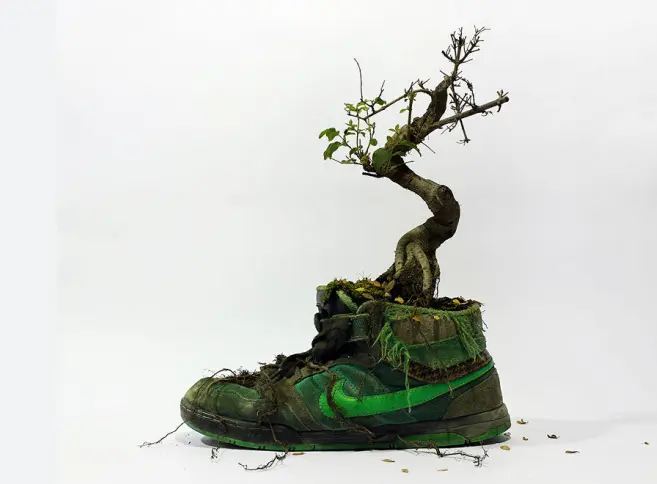
Large players are accelerating sustainable materials and circular-design initiatives rather than treating them as niche PR. Expect recycled and bio-based materials to appear not only in performance lines but also in lifestyle and premium fashion sneakers. Nike and adidas have set multi-year programs that push these changes from concept to scale, so by 2026 “sustainable” materials will be a purchasing criterion for many consumers. (Nike.com)
B. Heritage revival & retro running aesthetics
The appetite for archival reissues and “90s/00s” runner silhouettes stays strong. Brands mine their back catalogs and create culturally themed limited runs (gaming, music, regional homages), which keeps demand high for both mainstream drops and collector pieces. Reissues will continue to be a major driver of hype and resale value. (GQ)
C. Fashion / luxury x sportswear crossovers
High-fashion houses and premium designers are extending into sneaker production and collaborating with sports labels. This blurs the line between luxury and sportswear, pushing prices up for “fashion sneakers” while widening stylistic possibilities (e.g., ballerina-sneaker hybrids, couture finishes on running shapes). (Miu Miu)
D. Community, direct commerce & membership
Brands are investing in D2C ecosystems, memberships, and experiential drops to lock in customers and data — points, early access, and region-specific launches will intensify. adidas and others continue to evolve club/loyalty mechanics as part of that push. (阿迪达斯集团)
2) Silhouettes & stylistic predictions for 2026
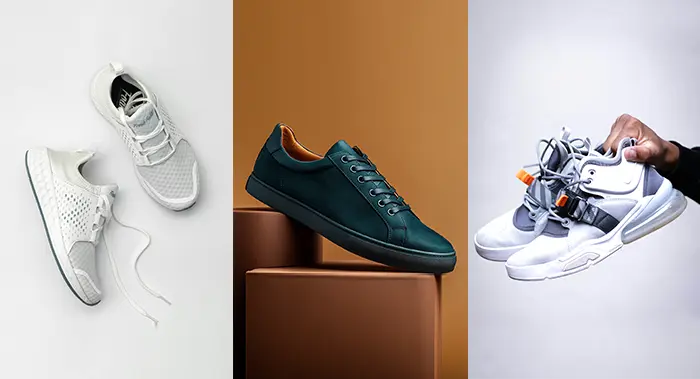
Refined retro runners: slimmer profiles with modern comfort tech — a grown-up “heritage” runner for daily wear. (Luisaviaroma)
Chunky hybrids stay but evolve: platforms and exaggerated midsoles remain, but materials and shapes become cleaner and lighter.
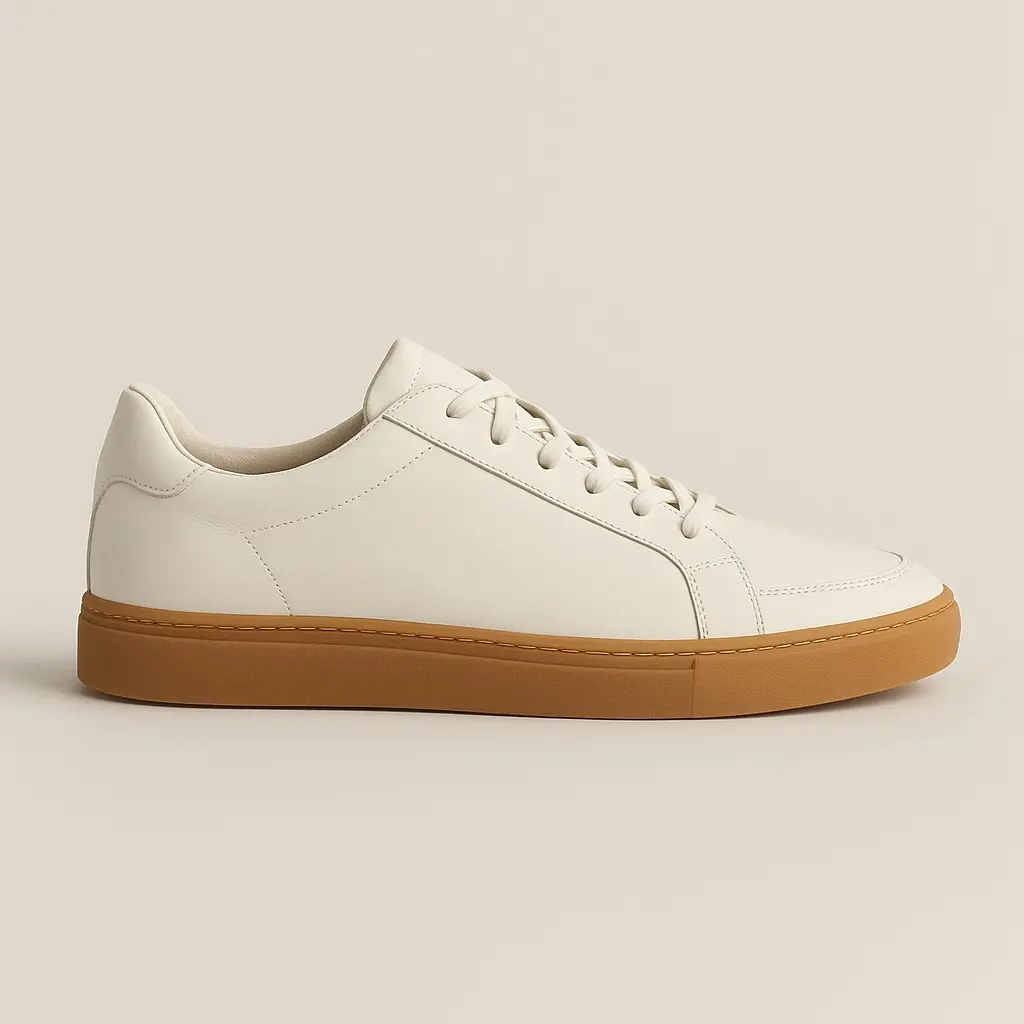
Minimal technical trainers: clean, low-profile sneakers that read luxury despite technical underpinnings (think premium textiles, microperforations, tonal finishes).
Sport-luxe ballerina/riser silhouettes: crossover designs mixing ballet-flat cues and sneakers — the runway influence continues from fashion houses. (CRASH Magazine)
Color / surface trends: tonal neutrals (stone, mushroom, caramel), renewed metallic accents on city runners, and seasonal nostalgic palettes (muted pastels and ‘90s brights).
3) Materials & tech to watch
Scaled recycled content (recycled polyester, ocean plastics) and bio-based leathers/mycelium alternatives. Nike and adidas are scaling these programs. (Nike.com)
Lightweight foams + binder-less construction to reduce waste and weight.
Hybrid outsoles that combine traction for sport with street-friendly cushioning.
4) Brand-by-brand snapshot (Miu Miu, Nike, adidas, FILA, Reebok)
Nike
What to expect: continued emphasis on sustainable materials + circular design across lifestyle and performance ranges, a steady stream of heritage Jordan and Nike reissues that keep hype alive, and further experiments in direct-to-consumer drops and membership touchpoints (Move to Zero remains a core narrative). On the silhouette front, Nike will balance archival runners and high-performance comfort with fashion-forward collaborations. (Nike.com)
Implication: Nike’s scale will push sustainable tech into mainstream price tiers; expect many copycat moves from competitors.
adidas
What to expect: adidas will press sustainability and material experiments (recycled polyester, mycelium prototypes) while keeping momentum on classic silhouettes (Stan Smith, Samba, retro runners). The brand’s strategic programs through 2025–26 emphasize credibility and product innovation, and adidas will lean into membership/experience to retain customers. (〖アディダス公式〗)
Implication: adidas is likely to pair archival aesthetics with measurable sustainability claims — attractive to conscious consumers who still want iconic looks.
Miu Miu
What to expect: Miu Miu will continue to push luxury-crossover sneakers that reinterpret athletic forms with couture details — think premium materials, decorative finishes, and high-fashion collaborations (they’ve partnered with sneaker/athletic aesthetics recently). Collaborations that remix archival sports silhouettes into playful luxury pieces will keep Miu Miu in fashion conversations. (Miu Miu)
Implication: Miu Miu and similar houses will drive demand for “dressy” sneakers — higher ASPs and limited production runs that skew toward fashion buyers.
Reebok
What to expect: a continued revival of archival models (Club C, Pump, Classic Nylon), frequent limited collaborations, and culturally-relevant themed drops (gaming, music, local heritage). Reebok has leaned into retro storytelling and curated collabs to regain cultural relevance. (GQ)
Implication: Reebok will be a key player in the nostalgia/retro segment and will monetize through capsule drops and partnerships.
FILA
What to expect: FILA will keep capitalizing on the “college/retro” aesthetic and selective designer partnerships; regional creative directors will continue to reinterpret the brand’s archives for street and fashion markets. FILA’s seasonal collections (FW/SS) will highlight retro tennis and running silhouettes tuned to fashion markets. (Highsnobiety)
Implication: FILA will be a go-to for affordable fashion-leaning retro sneakers popular with Gen Z and mainstream retailers.
5) Commercial & retail implications for 2026
Product planning: brands and factories should plan for higher SKUs with recycled/bio-material options and maintain a heritage line plus a fashion-forward line.
Pricing: Premium limited runs (luxury + collabs) will sustain higher ASPs, while mainstream sustainable lines will require cost optimization.
Marketing & drops: combine membership perks, region-specific storytelling, and timed capsule releases to create scarcity and loyalty.
Production: suppliers should prepare for material variability (recycled fibers, bio-leathers) and tighter traceability/labeling demands.
6) Five concrete predictions for 2026 (short & punchy)
“Sustainability” claims become table stakes: consumers expect recycled content and transparent sourcing. (Nike.com)
Archive runners and 90s reissues continue dominating drops, but with lighter, greener construction. (GQ)
Luxury houses expand sneaker assortments (premium finishes on sport silhouettes), increasing the crossover market. (CRASH Magazine)
Regionalized limited drops (city-themed, culture-themed) will grow — brands use local stories to drive micro-hype. (Houston Chronicle)
D2C & membership experiences intensify, with exclusive access to drops and sustainable product lines pushed through brand apps. (阿迪达斯集团)
7) Quick tactical advice for suppliers / brands
Invest in material R&D (recycled blends, alternative leathers) and document traceability — buyers will ask for proof.
Offer tiered SKUs: standard heritage runs + premium fashion variants using the same last to control tooling costs.
Design for modularity & repair: small fixes or replacement insoles extend product life and appeal to eco-conscious customers.
Support limited-collab readiness: small-batch capacity, premium packaging, and quick turnaround for capsule projects.
Data + membership integration: help buyers understand how to use membership perks, region-specific releases, and D2C logistics.
Citation
Nike — sustainability and Move to Zero program. (Nike.com)
adidas — sustainability programs and “Own the Game” strategy through 2025. (〖アディダス公式〗)
LVR Magazine — sneaker trends for Fall/Winter 2025–26 (trend signals). (Luisaviaroma)
Miu Miu x New Balance / Miu Miu sneaker collections (shows fashion-house crossover). (Miu Miu)
Reebok & archival / collab activity (recent PlayStation & heritage revivals). (GQ)
FILA seasonal campaigns and designer partnerships. (Highsnobiety)