


Global Sneaker Trend Outlook 2026: Design, Material, and Market Directions for Footwear Manufacturers
The global sneaker market is evolving quickly toward 2026, shaped by macro lifestyle shifts and technology integration. As consumers prioritize comfort, individuality, and hybrid functionality, the boundary between sports performance and daily lifestyle footwear continues to blur.
For manufacturers and sourcing teams, the next production cycle (2025–2026) will emphasize:
Modular design adaptability
Sustainable and recycled material usage
Retro-meets-tech silhouettes
Trail and outdoor functionality merged with city wear
According to Vogue (2025) and Business Insider (2025), footwear for 2026 will revolve around comfort-driven engineering, visible sole technologies, and material layering that signals both function and luxury.

2. Key Design & Market Trends for 2026
2.1. Retro Futurism
A top design direction for 2026 merges nostalgia from early 2000s sneakers with futuristic construction. Manufacturers are reintroducing heritage silhouettes—low-profile runners and cushioned soles—but enhanced with lightweight EVA midsoles, metallic color accents, and breathable mesh or woven uppers.
This “retro-futuristic” approach appeals to buyers seeking recognizable yet reinterpreted styles that balance heritage with innovation.
Evidence: Reports by WhoWhatWear (2025) and LVR Magazine (2025) identify spring-loaded or high-cushion heel designs and early-2000s aesthetics as the next mass-market wave.
Production implications:
Factories should consider updating archived lasts with new midsole compounds, introduce metallic TPU inserts, and experiment with dual-fabric uppers (e.g. nylon mesh + suede overlays).

2.2. Outdoor–Urban Hybridization
Footwear designed for hiking, trail running, and urban commuting are merging into one versatile silhouette. This “city-to-trail” category emphasizes durability, grip, and technical detailing, making it attractive for both performance and lifestyle buyers.
The gorpcore trend—performance outdoor gear adapted for city life—is expanding into mainstream footwear assortments across North America, Europe, and Asia-Pacific.
Evidence: Vogue (2025) highlights the urban adoption of trail-style sneakers as one of the strongest cross-market movements. Le Monde (2024) reported that technical footwear brands are gaining ground over traditional sports names in European markets.
Production implications:
Invest in rubber+EVA dual-density soles for traction and flexibility.
Use Matryx-like woven uppers or nylon ripstop fabric for lightweight durability.
Apply reflective trims and speed-lace systems to reinforce a functional yet fashionable appearance.
2.3. Comfort Technology as an Aesthetic Feature
In 2026, comfort itself becomes the design statement. Visible air cushioning, oversized midsoles, and sculpted outsole geometry will remain focal. However, the direction is shifting from extreme bulk toward balanced proportions that visually communicate performance.
Buyers are increasingly asking for visible tech components that signal innovation — even for non-athletic consumers.
Evidence: New York Post (2024) reported that ultra-thick sole technology has reached new commercial success, while Hypebeast (2025) notes a trend toward lighter-weight, high-stack designs across upcoming collections.
Production implications:
Factories should upgrade midsole molding capabilities to handle complex foam layering, incorporate transparent TPU windows, and explore bio-based EVA or supercritical foam to balance aesthetics with sustainability.
2.4. Sustainable Materials & Circular Design
Sustainability is no longer optional—it’s a competitive differentiator. Buyers from Europe and the US are requesting transparent sourcing data and eco-friendly certification (e.g. REACH, GRS, or ISO 14001 compliance).
For 2026, the material direction is clear:
Outsoles: Natural rubber blends or recycled EVA
Uppers: Recycled polyester knit, organic cotton canvas, or water-based PU leather
Insoles: Bio-foam and algae-derived cushioning
Evidence: LVR Magazine (2025) and Vogue Business (2025) highlight a marked increase in recycled and plant-based material adoption within the footwear supply chain.
Production implications:
OEM/ODM factories should promote their sustainable sourcing certifications, develop eco-friendly adhesives, and highlight “low carbon” production lines to attract overseas buyers.
2.5. Color & Texture Direction
Color and texture will play a critical role in refreshing timeless sneaker shapes.
Color Trends for 2026:
Electric tones: lime, cobalt, magenta — representing digital influence and youthful energy
Earth tones: taupe, terracotta, sage — conveying natural minimalism
Metallic accents: silver and titanium — referencing future tech
Evidence: LVR Magazine (2025) trend report for Fall/Winter 2025–2026 identifies “earth-toned luxury” and “electric contrast” palettes as dual drivers in footwear design.
Material Textures:
Matte-finished PU and suede for soft tactile appeal
Woven nylon and technical mesh for performance cues
High-gloss TPU inserts to create focal visual contrast
Production implications:
Factories should maintain flexible sourcing networks for micro-fiber suede, recycled nylon, and coated textiles, enabling small-batch customization per region or retailer demand.
2.6. Hybrid Silhouettes
2026 will mark a strong movement toward “crossover” forms that merge categories. Expect the rise of:
Sneaker–loafer hybrids (“snoafers”) for unisex and business-casual markets
Runner–hiker hybrids for outdoor and travel collections
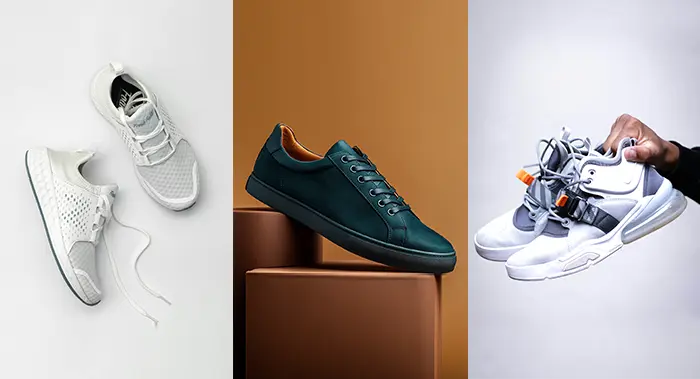
Minimalist slip-ons using stretch-knit uppers
Evidence: Business Insider (2025) reported rising interest in hybrid silhouettes bridging formal and athletic aesthetics.
Production implications:
Mold suppliers should prepare interchangeable outsole molds adaptable to different upper structures. Flexible production lines will allow OEM clients to test hybrid silhouettes with minimal tooling changes.

2.7. Heritage Revivals
Classic silhouettes continue to dominate but are refreshed through lightweight construction and upgraded materials. The demand is especially strong for:
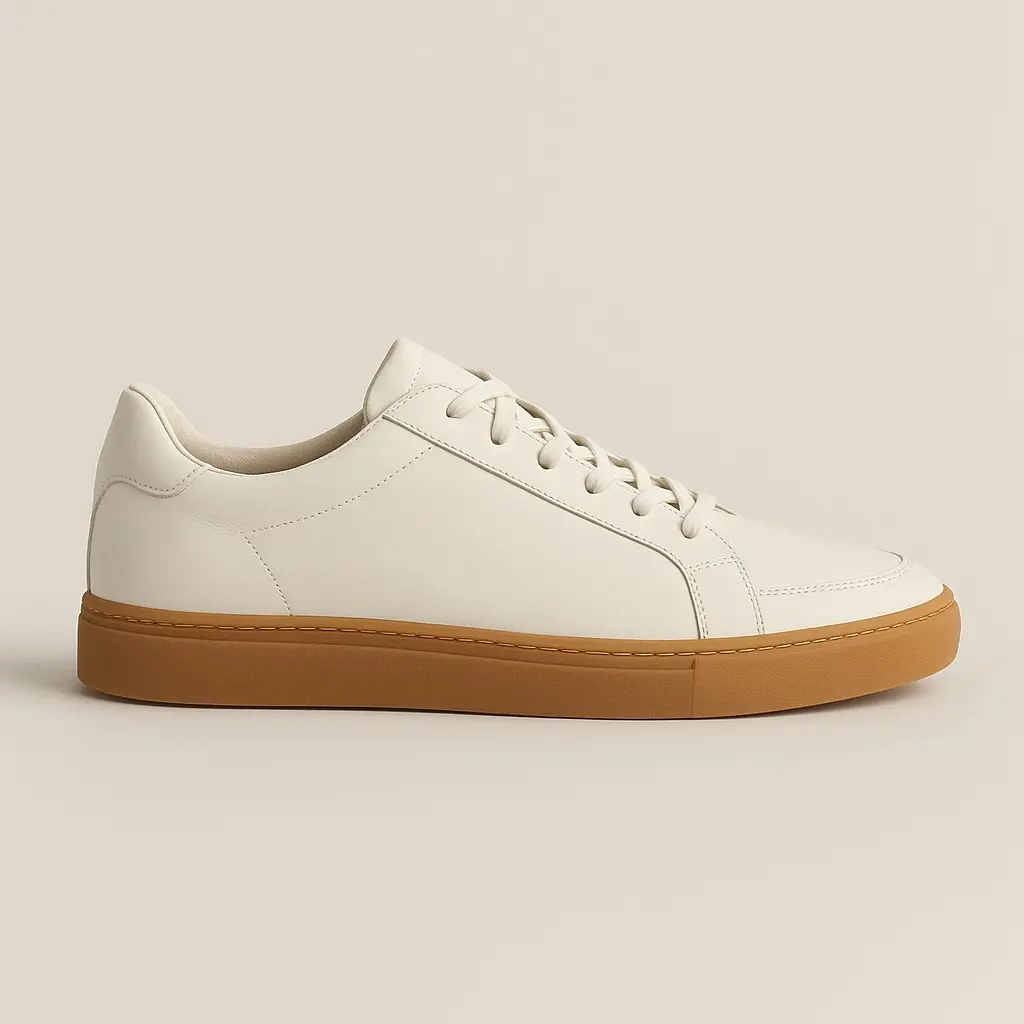
Low-profile retro runners with gum soles
1980s-style panel designs
Neutral or monochrome colorways
Evidence: WhoWhatWear (2025) and Sneakercycle (2025) both report that heritage sneakers are returning in updated comfort versions.
Production implications:
Reviving archived patterns with modern components (memory foam insoles, knit collars, EVA-rubber compounds) allows manufacturers to leverage existing molds while satisfying market nostalgia.
3. Market and Buyer Behavior Insights
3.1. Comfort and Function First
Post-pandemic lifestyles have permanently shifted footwear demand toward everyday comfort. Retail buyers emphasize lightweight, breathable, and easy-to-wear designs adaptable from work to leisure.
Evidence: Vogue (2025) described the ongoing consumer preference for “functional luxury” — sneakers that look premium yet feel effortless.
3.2. Sustainability Verification
Buyers increasingly request traceability reports. European importers, in particular, seek documentation for REACH compliance and carbon footprint statements.
Action for suppliers: highlight factory certifications, recycling programs, and packaging optimization (biodegradable boxes, reduced plastic).
3.3. Shorter Product Lifecycles
With micro-trends driven by social media, product lifecycles are shrinking. Brands are shifting toward 3–4 smaller capsule drops per year instead of 2 main collections.
Action for factories:
Adopt flexible development timelines — faster sampling, 3D prototyping, and low MOQ test runs to capture new orders early.
4. Manufacturing Recommendations for 2026 Buyers and OEM/ODM Suppliers
| Category | Recommended Technical Focus | Rationale |
| Outsole | Dual-density rubber/EVA with visible cushioning units | Combines comfort and futuristic design appeal |
| Upper | Recycled mesh + PU film overlays | Enhances sustainability and breathability |
| Midsole | Bio-based EVA or supercritical foam | Lightweight and eco-friendly |
| Lining | Antibacterial textile or recycled mesh | Hygiene and sustainability benefit |
| Design | Modular molds for hybrid silhouettes | Reduces development cost and time |
| Color direction | Earth tones with bold accent panels | Balances fashion with market longevity |
5. Regional Trend Summary
| Region | Key Consumer Focus | Suggested Product Strategy |
| Europe | Sustainable and heritage styles | Focus on eco materials and vintage shapes |
| North America | Comfort and athleisure fusion | Prioritize cushioning tech and hybrid silhouettes |
| Asia-Pacific | Trend-driven aesthetics | Offer bold colorways and limited editions |
| Latin America | Affordable tech design | Develop lightweight EVA models with urban appeal |
6. Conclusion: What 2026 Means for the Footwear Supply Chain
The 2026 sneaker landscape presents high opportunity for flexible, design-oriented manufacturers. The main growth segments—retro-futuristic designs, outdoor-lifestyle hybrids, and sustainable materials—require suppliers who can balance innovation, speed, and authenticity.
To stay competitive:
Upgrade molding and material technologies to handle lightweight, dual-density soles.
Offer sustainable material options proactively to international buyers.
Develop faster sampling systems (digital 3D prototyping, AI-assisted design).
Monitor color and texture shifts quarterly to align production with market trends.
Ultimately, the next generation of sneakers is not just about performance—it’s about adaptability, visual comfort, and responsible manufacturing. Factories that position themselves as agile, eco-conscious partners will capture the attention of global sourcing teams through 2026 and beyond.
Key References
Vogue, “6 Sneaker Trends to Look Out for in 2025”
Business Insider, “Sneaker Loafer Hybrid Trend 2025–2026”
WhoWhatWear, “2026 It-Sneaker Predictions”
LVR Magazine, “Fashion Sneaker Trends Fall/Winter 2025–2026”
Le Monde, “On, Hoka et Salomon sur les talons de Nike et Adidas” (2024)
Hypebeast, “New Sneaker Designs to Watch 2025”