Top 10 Tips for Choosing Women's Heeled Shoes Comfortably?
Choosing the right pair of women's heeled shoes can be a challenging task. With so many styles and brands available, it’s easy to overlook comfort. Many women desire the elegance that heels bring, yet they often forget how crucial comfort is for all-day wear.
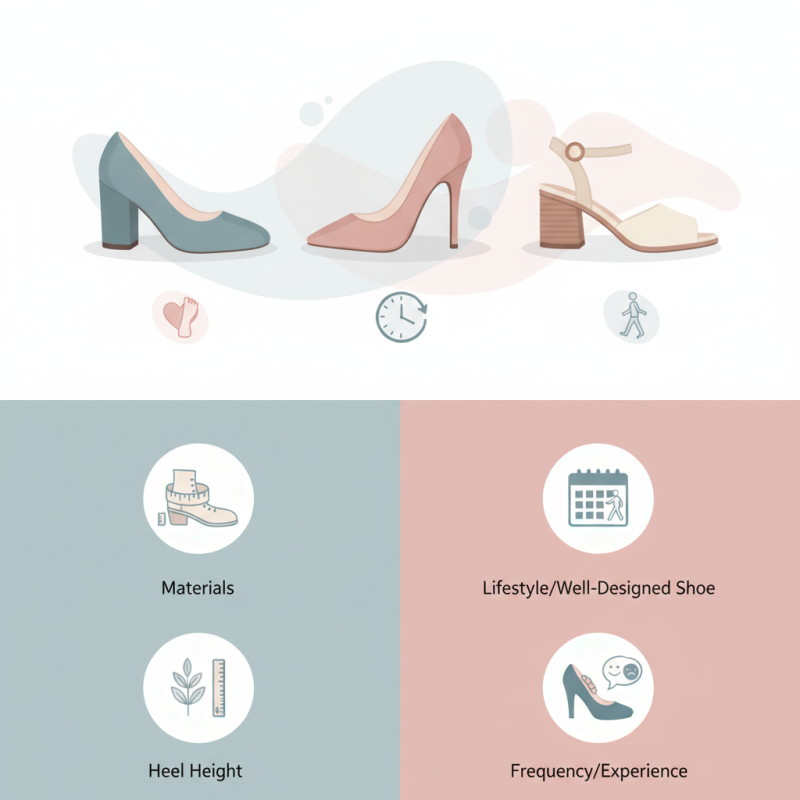
When selecting women's heeled shoes, pay attention to fit and materials. A pair that hurts your feet isn’t worth it, no matter how stylish. The height of the heel can also impact how comfortable they feel. Higher heels may look appealing but can lead to discomfort.
It's important to consider your lifestyle. Will you be standing for hours? If so, support is essential. A well-designed shoe can make differences in your day. Reflect on how often you wear heels. The right choice will enhance your experience, while the wrong one could leave you regretting your purchase.
Understanding Different Types of Women's Heeled Shoes
When selecting women's heeled shoes, understanding the different types is essential. Heels come in various styles, including stilettos, block heels, and wedges. Each type offers unique benefits and challenges. For instance, stilettos may look elegant but can be uncomfortable for extended wear. A survey by the American Podiatric Medical Association found that 71% of women experience foot pain from inappropriate footwear.
Block heels provide more support and distribute weight evenly. This style is often favored for its stability while maintaining a fashionable look. According to a recent market report, block heel sales increased by 30% last year, as more women seek comfort without sacrificing style. Wedges, on the other hand, offer height while having a wider base, reducing pressure on the foot.
Still, it’s important to reflect on personal comfort. High heels can lead to various foot issues, including bunions and plantar fasciitis. While some may enjoy wearing heels for special occasions, finding the right fit is crucial. High fashion shouldn't always come at the cost of health. It’s worthwhile to prioritize comfort and support when making a choice, even if it means sacrificing a bit of style.
Top 10 Tips for Choosing Women's Heeled Shoes Comfortably
Evaluating Heel Height for Comfort and Stability
When evaluating heel height, comfort and stability remain paramount. Research from the American Podiatric Medical Association indicates that wearing heels over two inches can increase pressure on the forefoot. This pressure can lead to pain and long-term issues. Opting for a heel height of 1.5 to 2 inches can strike a balance. It provides elevation while maintaining some level of comfort.
Consider your daily activities. If you walk a lot, lower heels are preferable. In contrast, higher heels may be fine for short occasions. Data reveals that more than 60% of women experience foot pain from regular heel use. This statistic emphasizes the importance of making informed choices.
Also, remember that stability matters. A wider base can offer more support. Platforms can also help by distributing weight evenly. Every person’s foot shape varies, making it essential to try different styles. Reflection on your comfort is crucial. Don't settle for looks alone; prioritize how they feel on your feet.
Top 10 Tips for Choosing Women's Heeled Shoes Comfortably
| Tip # |
Description |
Suggested Heel Height (inches) |
Comfort Level |
| 1 |
Choose a heel that you can walk comfortably in. |
2-3 |
High |
| 2 |
Look for a wider toe box for more comfort. |
N/A |
Medium |
| 3 |
Consider shoes with arch support. |
N/A |
High |
| 4 |
Opt for cushioned insoles for added comfort. |
N/A |
High |
| 5 |
Make sure the heel is stable and not too thin. |
2-3 |
High |
| 6 |
Ensure the shoe fits snugly but not too tight. |
N/A |
Medium |
| 7 |
Choose shoes with adjustable straps. |
N/A |
High |
| 8 |
Avoid very high heels if you're not used to them. |
3-4 |
Low |
| 9 |
Try walking in the shoes before purchase. |
N/A |
High |
| 10 |
Select a style that matches your needs (work, casual, etc.). |
Varies |
Medium |
Choosing the Right Shoe Material for Breathability and Flexibility
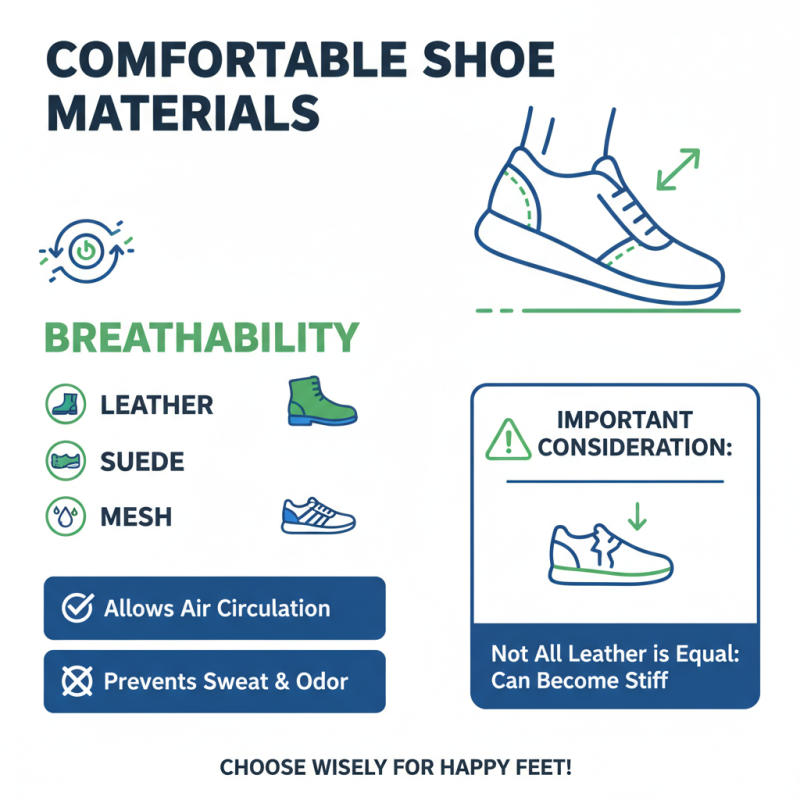
Choosing the right shoe material is crucial for comfort. Breathable materials help keep your feet cool. Look for shoes made from leather, suede, or mesh. These materials allow air to circulate, preventing sweat and odor. But remember, not all leather is equal. Some can become stiff over time, impacting comfort.
Flexibility is equally important. A shoe with rigid material can strain your feet. Shoes with a soft upper adapt to the shape of your foot. This reduces discomfort while walking. Also, check the sole. Lightweight materials offer better shock absorption. They can make a big difference after hours of wear.
Sometimes, the perfect balance is hard to find. Shoes that are breathable may lack support. Others are supportive but suffocating. It's essential to try different styles. Walk around to feel how they fit. Don't settle for the first option. Your comfort deserves the extra effort. Make educated choices and enjoy your stylish journey.
Importance of Proper Fit: Measuring and Trying On Shoes
When it comes to choosing women's heeled shoes, the fit is paramount. According to a recent study by the American Podiatric Medical Association, over 70% of women wear shoes that don’t fit properly. This can lead to various foot problems, including bunions and plantar fasciitis. Therefore, measuring your feet regularly is essential. Take measurements at the end of the day when your feet are at their largest.
Trying on shoes is just as critical. Walk around the store to assess the comfort. A report from the Journal of Foot & Ankle Research highlights that nearly 80% of shoe-related foot pain can be linked to ill-fitting shoes. Ensure there is about a half-inch space between your longest toe and the end of the shoe.
Consider the heel height. Higher heels tend to be less stable and may cause discomfort over time. Opt for designs that balance style and comfort. Before you commit, check for any tight areas or friction points. Remember, if shoes don’t feel right initially, they likely won’t get better as you wear them.
Prioritize your feet, and your day will be much more enjoyable.
Considering Cushioning and Arch Support Features in Heels
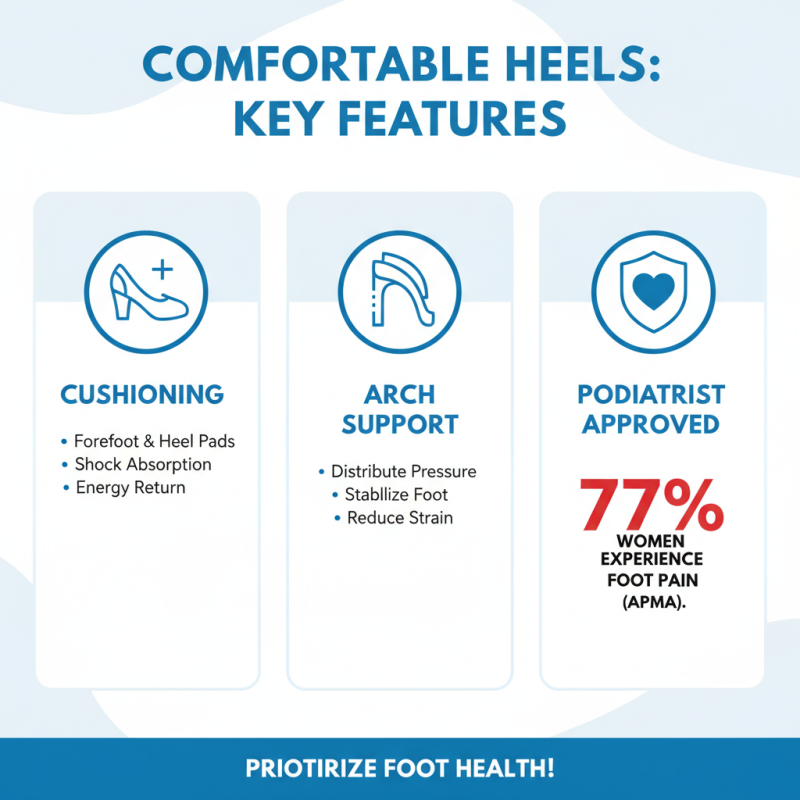
Choosing comfortable heeled shoes requires careful consideration of cushioning and arch support features. According to a recent report by the American Podiatric Medical Association, 77% of women experience foot pain from wearing high heels. This statistic highlights the importance of selecting shoes that prioritize foot health.
Look for shoes with adequate cushioning. This helps absorb impact and reduces pressure on your feet. Memory foam insoles are a great option. They mold to your foot shape, offering personalized comfort. A study found that shoes with proper cushioning can reduce discomfort by over 30%. This can make a significant difference during long days.
Arch support is another crucial factor. Proper arch support can help maintain the foot's natural alignment. Without it, you risk developing issues such as plantar fasciitis. According to a research study published in the Journal of Orthopedic Research, shoes with good arch support significantly reduce fatigue in the feet. This makes those stylish heels more wearable throughout your busy day. Remember, style shouldn’t sacrifice comfort. Invest time into finding heels that have the right features for you.