How to Choose the Best Women Winter Shoes for Comfort?
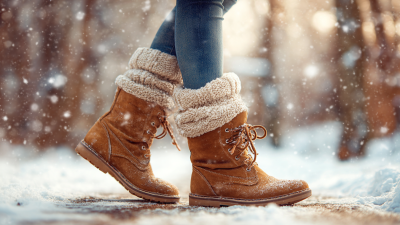
Choosing the right women winter shoes is essential for comfort and style. A recent report by the American Podiatric Medical Association shows that nearly 70% of women experience foot discomfort during winter months. This statistic highlights the importance of selecting appropriate footwear designed to meet specific needs.
Women winter shoes should not only provide warmth but also support and stability. Poorly designed shoes can lead to various foot problems, including blisters and arch pain. The right pair addresses these issues. Footwear made with breathable materials improves health by keeping feet dry.
Investing in quality winter shoes pays off. Studies indicate that comfortable footwear enhances productivity and promotes well-being. However, many women neglect this aspect. Often, comfort is compromised for aesthetics. This reflects a broader industry challenge: balancing style with functionality. When shopping, consider both attributes carefully. The right pair of women winter shoes can transform the experience of winter walking.
Factors to Consider When Choosing Winter Shoes for Women
Choosing the right winter shoes can be challenging for women. Comfort should be a priority, as colder months often require long hours on your feet. Look for shoes that provide adequate insulation to keep your feet warm. Materials like leather or high-quality synthetics offer good protection against the elements.
Consider the sole of the shoe. A durable, non-slip outsole is crucial for navigating icy sidewalks. Traction can prevent slips and falls. Additionally, evaluating cushioning is important. Shoes with a thick, supportive insole can reduce fatigue during daily activities.
It's also essential to think about fit. A too-tight shoe can cause pain or discomfort, while a loose fit may lead to blisters. If possible, try shoes later in the day when your feet are more swollen. This helps mimic how they might feel after a day of wear. Reflecting on personal experiences with different styles can guide better choices.
Types of Insulation and Their Impact on Comfort in Winter Shoes
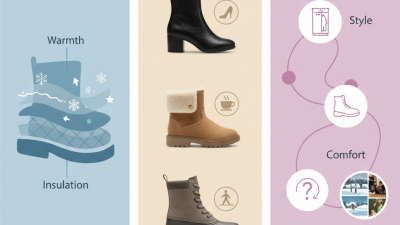
Choosing winter shoes for women involves understanding the types of insulation used. Insulation directly impacts warmth and comfort. Common materials include synthetic insulation and natural options like wool. Each has strengths and weaknesses.
Synthetic insulation is lightweight and dries quickly. It traps heat effectively, keeping your feet warm in cold conditions. However, it may not breathe well, leading to sweating and discomfort. This can be a problem during long wear in varying temperatures.
Wool insulation, on the other hand, offers great breathability. It naturally regulates temperature and moisture. Yet, wool can be bulky and may not fit well in all shoe styles. However, it is essential to consider how each type of insulation affects your comfort level throughout the winter months. Assess your typical winter activities and make choices that suit your needs.
Evaluating Fit: Importance of Size and Shape in Women’s Winter Shoes
Choosing the right fit for women’s winter shoes is essential for comfort. Poorly fitting shoes can lead to discomfort, blisters, or even long-term foot problems. Start by measuring your feet regularly, as sizes can change over time. A shoe that fits well should allow a little wiggle room for your toes but not be overly loose.
The shape of the shoe must match your foot shape. Some women have wider feet or higher arches. If you have these characteristics, look for shoes designed to accommodate them. Trying shoes on in the late afternoon can help; feet tend to swell a bit throughout the day. Pay attention to how the shoes feel when you walk. Excessive rubbing or tightness can indicate a bad fit.
Not all winter shoes offer equal comfort. Materials play a crucial role. Breathable fabrics can help keep your feet dry. Insulation is vital for warmth but should not compromise comfort. Remember, comfort is subjective. What feels good for one person might not for another. Finding the right pair requires patience and reflection on your lifestyle and needs.
How to Choose the Best Women Winter Shoes for Comfort?
Material Choices: How Fabric Affects Warmth and Comfort
When selecting winter shoes for women, material choices play a crucial role. The fabric used can significantly impact warmth and comfort. Wool and fleece are excellent for insulation. They trap heat well and feel soft against the skin. However, they may not always offer the best breathability. This can lead to sweaty feet in warmer indoor environments.
Synthetic materials, such as polyester and nylon, are another option. They tend to be lighter and more durable. These fabrics often have moisture-wicking properties, keeping feet dry. Yet, synthetic options may lack the natural warmth of wool. Finding a balance between insulation and breathability is essential.
Consider also the shoe lining. Sheepskin linings provide both warmth and comfort. However, they can be pricey. Don’t overlook the value of a good insole. A cushioned insole enhances comfort but can make the shoe feel tighter. Ultimately, your choice of fabric should cater to your needs. Reflect on your usual activities, the climate, and your foot shape. Comfort is subjective and can change based on these factors. Each material has its pros and cons; choose wisely.
Sole Design: Understanding Traction and Foot Support Features
When selecting winter shoes for women, the sole design is a crucial factor. Sole patterns determine traction on slippery surfaces. According to a report by the Footwear Design and Manufacturing Association, 60% of slip and falls in winter occur due to poor traction. This statistic highlights the importance of choosing shoes with specific tread designs that enhance grip.
Foot support features play an equally significant role. Insoles should provide cushioning and arch support. A study in the Journal of Foot and Ankle Research found that footwear with proper arch support minimizes foot fatigue by 30%. Comfort is paramount, especially in colder months when feet are prone to stress. The sole's material also affects warmth and comfort levels.
Tips: Look for shoes with rubber soles for optimal traction. Test the flexibility; a flexible sole often enhances comfort. Pay attention to the weight of the shoes; lighter options can reduce fatigue. Comfort and traction are essential for winter shoes. A balance between these features can lead you to the right pair. Remember to assess the longevity of the sole’s grip over time. This approach can help refine your decision-making process. The right winter shoes can make a big difference.
How to Choose the Best Women Winter Shoes for Comfort?
| Feature |
Description |
Importance |
Recommended Material |
| Traction |
Ability to grip various terrains to prevent slipping. |
High |
Rubber outsoles with patterned tread |
| Foot Support |
Arch and heel support for comfort during prolonged wear. |
High |
EVA foam or molded insoles |
| Insulation |
Keeps feet warm in cold weather. |
Medium |
Thinsulate or fleece lining |
| Water Resistance |
Prevents moisture from entering the shoe. |
High |
Waterproof leather or synthetic materials |
| Weight |
Influences comfort and ease of movement. |
Medium |
Lightweight materials like nylon or mesh |