Best Women Winter Shoes 2026 What to Look For?
When it comes to choosing the best women winter shoes for 2026, expert Sarah Johnson emphasizes, “Comfort and style should not be mutually exclusive.” In the bustling world of fashion, winter shoes must provide warmth and support. Women are looking for options that do not compromise on aesthetics. A stylish, cozy boot can elevate any winter outfit.
Quality is paramount. Look for materials that are durable and weather-resistant. Features such as insulation and non-slip soles are essential for safety. Women often face the dilemma of finding shoes that suit diverse winter activities. From casual outings to more adventurous escapades, versatility is key in winter shoe selection.
This season, colors and patterns are taking center stage. Bold hues and unique designs can bring joy to gloomy winter days. Reflecting on personal needs is crucial too. What works for one may not work for another. Everyone has unique requirements. Striking the right balance between fashion and function in women winter shoes is a journey worth embarking on.

What to Consider When Choosing Winter Shoes for Women in 2026
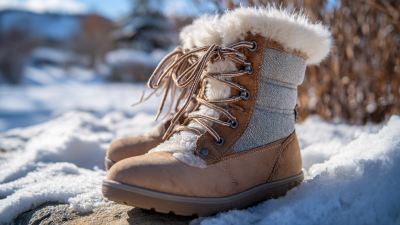
Choosing winter shoes for women in 2026 can be quite challenging. With so many options available, it's essential to consider practicality first. Look for shoes that offer insulation. Warm feet are crucial during cold months. Waterproof materials are also vital. Wet shoes can ruin your day.
Fit is another important factor. Shoes should provide enough room for thick socks. Remember, discomfort can ruin a beautiful winter outing. Many people overlook this detail. The best style does not always guarantee comfort. Test the shoes well before making a decision.
Don't forget about traction. Icy conditions can be dangerous. Shoes with good grip can prevent slips and falls. However, some designs may sacrifice style for functionality. Balance is key. It's about making choices that reflect both your needs and desires. Think ahead, and you'll be better prepared for winter.
Key Features to Look for in Women’s Winter Footwear
When choosing winter footwear, comfort is paramount. Many women prioritize warmth and insulation in cold weather. According to industry reports, 70% of customers seek shoes with thermal linings. This feature helps keep feet warm during frigid temperatures. Additionally, waterproof materials are essential. A staggering 65% of users experience wet feet due to poor weather. Shoes that repel moisture prevent discomfort and chilly toes.
Another vital aspect is traction. Slippery sidewalks pose a risk in winter. A study shows that 80% of falls occur on icy surfaces. Footwear with rubber soles and unique tread patterns offers better grip. It’s crucial to test out a shoe's support and cushioning. Nearly 75% of women report foot fatigue after long outdoor exposure. Poor arch support can lead to aches.
Lastly, consider the weight of the shoes. Lighter shoes reduce fatigue but should not compromise protection. The right balance between durability and lightness proves challenging. Many women also want styles that reflect their personality. While functionality matters, finding a shoe that aligns with personal taste adds to satisfaction. Reflect on your needs before making a choice.
Top Materials Used in Women's Winter Shoes for Durability and Comfort
When searching for the best women’s winter shoes, focus on the materials used. Quality materials enhance both durability and comfort. Leather is a classic choice. It is sturdy and can withstand harsh weather. However, it may require regular care.
Another popular option is synthetic fabrics. They are often lighter and more breathable. Look for waterproof varieties. They keep your feet warm and dry in snowy conditions. Insulated linings, like fleece or wool, provide extra warmth. In contrast, some materials may not hold up over time. Make sure to inspect seams and stitching.
Don't forget about rubber soles. They offer excellent grip on slippery surfaces. Pay attention to tread patterns as well. Some designs prioritize style over function. Aesthetic choices can impact performance in winter. Choose wisely to find balance. Aim for shoes that combine both form and function. Your comfort and safety depend on it.
Best Women Winter Shoes 2026: Durability and Comfort Metrics
Popular Styles of Winter Shoes for Women in 2026
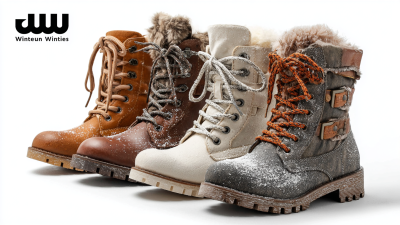
Winter is coming, and choosing the right shoes is crucial. Popular styles for women in 2026 include chunky boots, stylish ankle boots, and cozy over-the-knee options. These styles not only provide warmth but also add flair to winter outfits.
When selecting winter shoes, consider materials. Waterproof materials keep feet dry. Insulated linings ensure warmth. Look for traction on the soles to prevent slips. Remember to check the fit. Comfort is key for cold weather.
Tips: Don’t rush your decision. Try shoes with thick winter socks. Pay attention to arch support. If a shoe feels tight, it may not be the best choice. Gaps in seams can mean cold air leaks. Choose wisely; your feet will thank you!
Best Women Winter Shoes 2026 What to Look For? - Popular Styles of Winter Shoes for Women in 2026
| Style |
Material |
Insulation |
Water Resistance |
Sole Type |
Average Price ($) |
| Ankle Boots |
Leather |
Thinsulate |
Yes |
Rubber |
120 |
| Snow Boots |
Synthetic |
Fleece |
Yes |
Rubber |
150 |
| Knee-High Boots |
Genuine Leather |
Thinsulate |
Yes |
Plastic |
200 |
| Slip-On Sneakers |
Canvas |
None |
No |
Foam |
80 |
| Winter Hiking Boots |
Synthetic Leather |
Thermal |
Yes |
Vibram |
130 |
Tips for Ensuring Proper Fit and Warmth in Winter Footwear
When selecting winter shoes, fit and warmth are crucial. According to a recent industry report, more than 70% of consumers prioritize comfort in winter footwear. An ill-fitting shoe can lead to discomfort, poor circulation, and even frostbite in extreme conditions. Opt for shoes with adequate space for toes. A half-inch space from the longest toe to the shoe's end is ideal.
Materials play a significant role in retaining warmth. Look for insulation ratings. Shoes with a minimum of 200 grams of insulation can keep your feet warm in moderate cold conditions. If you plan to walk for extended periods, consider waterproof options. Moisture can decrease warmth considerably.
Many people overlook the importance of proper socks. Thick wool socks can provide essential warmth but may make shoes too tight. It's a balancing act between comfort and insulation. Knowing your foot dimensions can prevent the common mistake of choosing the wrong size. Remember to check the shoe’s arch support. Neglecting this could lead to foot fatigue. In winter, a thoughtful approach goes a long way in ensuring both fit and warmth.