How to Choose the Best Women Winter Shoes for Cold Weather?
Choosing the right Women Winter Shoes can be a challenging task. The cold weather presents unique demands, making it essential to find footwear that balances style and functionality. Each winter season brings different trends, yet practicality should always come first.
Quality materials are crucial. Look for insulated linings and waterproof exteriors. These features enhance comfort and keep your feet dry. Style can vary widely, from chic boots to rugged designs. Consider where you will wear them. Everyday commuting requires different choices than a winter hike.
Fit and comfort are often overlooked. Shoes that seem perfect in the store may not feel right after hours of wear. Always try on multiple sizes and styles. Pay attention to arch support and cushioning. Reflect on your past experiences to guide your selection. Picking the right Women Winter Shoes can make all the difference in enjoying the chilly months ahead.
Understanding the Different Types of Winter Shoes for Women
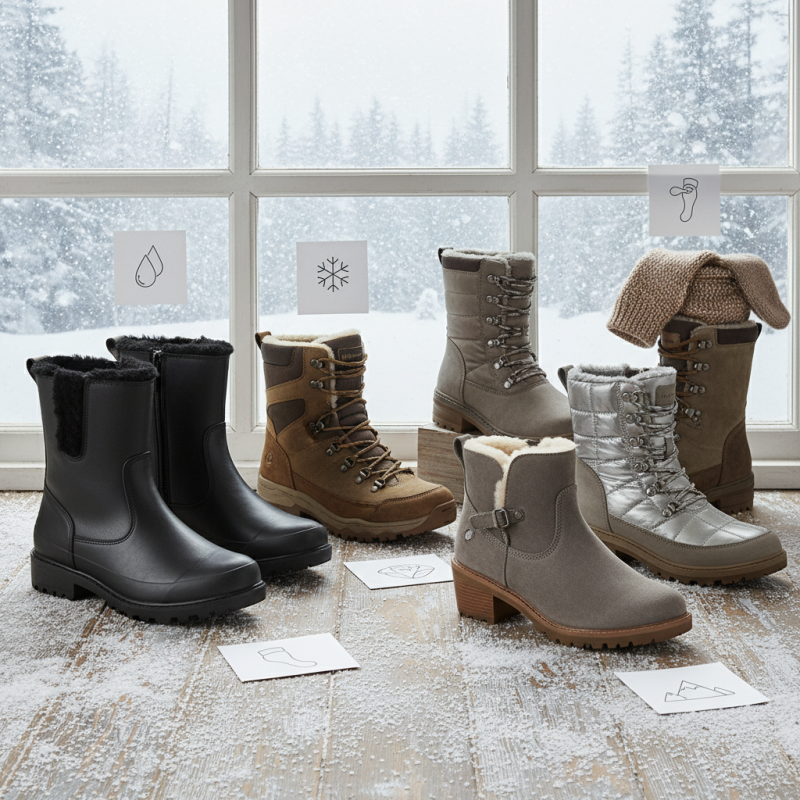
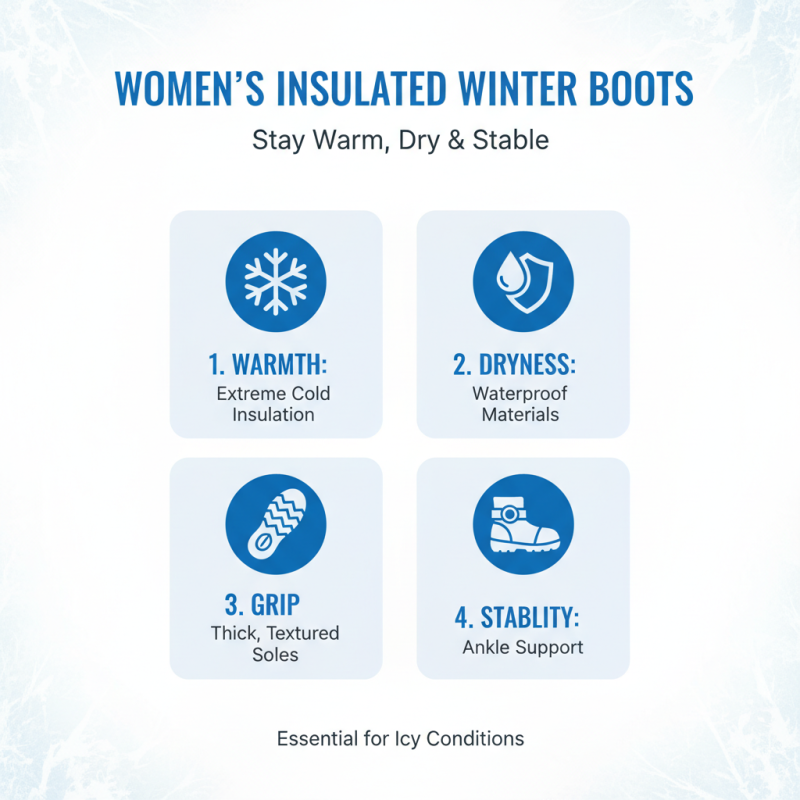
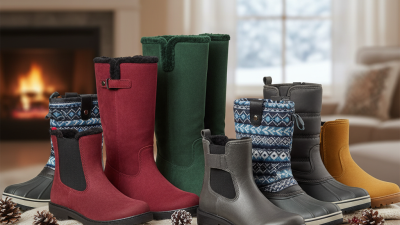
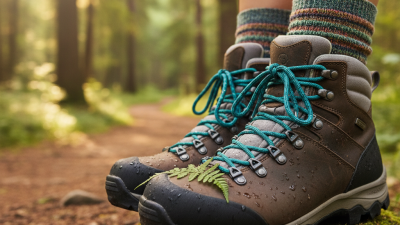
When choosing winter shoes, it's essential to understand the variety available for women. Insulated boots are a popular choice. They keep feet warm in extreme cold. These boots often feature waterproof materials and thick soles for grip. Consider styles with good ankle support to enhance stability on icy surfaces.
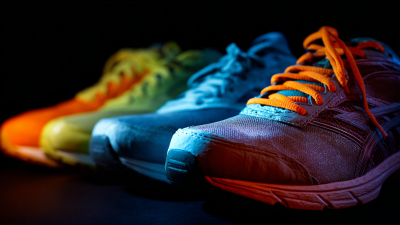
Another common type is the winter sneaker. These provide a blend of style and function. They often come with insulated linings and rubber outsoles. However, they may not offer enough warmth for sub-zero temperatures. Assess your needs carefully. Lightweight options may suit milder climates, but they might leave your feet cold in harsher weather.
Don’t forget about waterproofing. Shoes designed for rain or snow have specialized materials. There are also options with removable liners for easy drying. While some shoes look appealing, they might lack durability. Examine reviews and material details. Fashion isn't everything; comfort and protection are vital too. If you choose based solely on looks, you might regret it later.
Key Features to Look for in Women's Winter Footwear
When choosing women's winter shoes, key features matter deeply. Insulation is crucial. Look for shoes that keep your feet warm. Thinsulate or fleece linings provide added warmth without bulk. Waterproof materials are essential too. Wet feet can ruin your day outdoors. Well-sealed seams and water-resistant outer materials help in snowy conditions.
Traction is another important aspect. Cold weather often leads to slippery surfaces. Opt for shoes with rubber outsoles designed for grip. Tread patterns should be deep enough to handle snow and ice. Comfort cannot be overlooked. A cushioned insole adds support for long walks. Consider shoes with adjustable features, such as laces or straps. These provide a better fit and enhance stability.
Lastly, consider the weight of the shoes. Bulky shoes can be cumbersome. Lightweight options are easier to wear for extended periods. Reflect on your typical winter activities. Do you hike, run, or simply stroll? Your choice should reflect your lifestyle needs. Remember, finding the right pair might take time and requires trying different styles. It’s all about finding that perfect balance of warmth, comfort, and style.
Evaluating Insulation and Warmth for Cold Weather Shoes
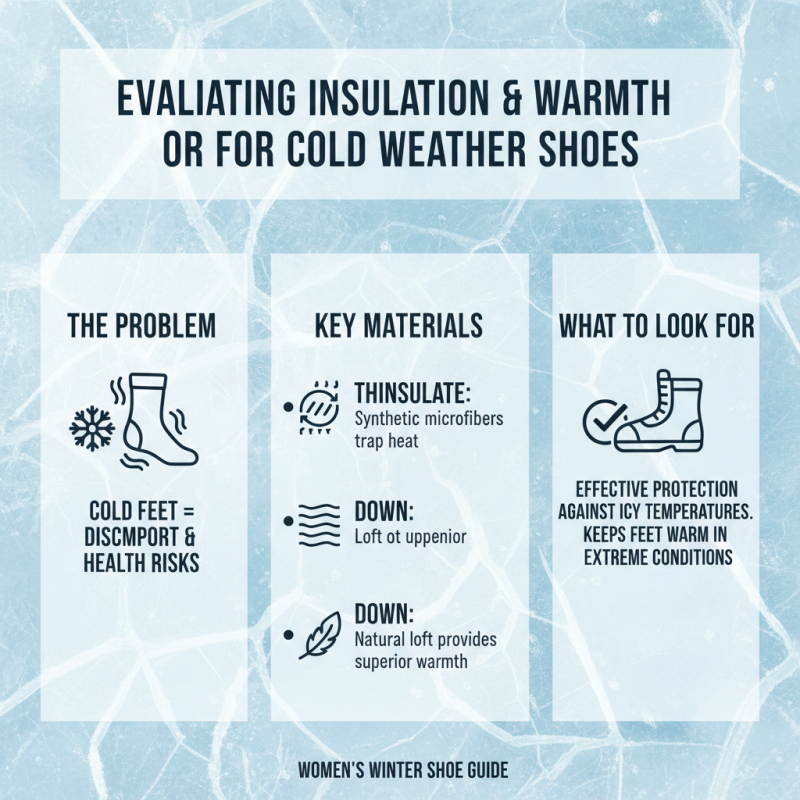
When choosing winter shoes for women, focusing on insulation and warmth is crucial. Cold weather can lead to discomfort and even health risks. Look for shoes with proper insulation materials like Thinsulate or down. These offer effective protection against icy temperatures. A good pair should keep your feet warm, even in extreme conditions.
Tips: Consider trying on shoes with thicker socks. This allows you to assess the fit better. Insulated shoes often feel bulkier, and finding the right size is essential for comfort. Remember that a snug fit can still provide warmth without restricting circulation.
Pay attention to the shoe lining. Materials like fleece or shearling add an extra layer of warmth. Additionally, waterproof options can be beneficial. They keep your feet dry in snowy or wet environments. However, shoes that are too waterproof might lack breathability. Balance between warmth and comfort is necessary.
Experiment with different styles and materials. Not every shoe will meet your expectations. Think about walking or standing in them for long periods. Your ideal shoe should offer protection while allowing for mobility. Finding the right winter footwear may take time, but it’s worth the effort.
Selecting the Right Material for Durability and Comfort
When selecting winter shoes for women, the choice of material is crucial. Different materials offer varying levels of insulation, waterproofing, and breathability. According to a report by the Outdoor Industry Association, 75% of consumers prioritize warmth and comfort in cold weather footwear. This data underscores the importance of selecting suitable materials.
Synthetic materials, such as nylon or polyester, are popular for winter shoes. They often provide water resistance and are lightweight. In contrast, leather offers both durability and insulation but may require additional care. A study from Footwear News indicates that shoes made with a combination of materials can enhance performance, balancing comfort and durability.
The right choice can greatly influence user experience. Improper material can lead to discomfort and cold feet. For instance, shoes lacking breathability may cause excessive moisture buildup. This can result in blisters or frostbite in extreme conditions. Understanding how each material functions under cold weather conditions is essential. It's not just about style; it's about survival and comfort in harsh environments.
Choosing the Perfect Fit: Sizing and Support in Winter Shoes
When selecting winter shoes, fit and support are crucial for comfort. According to the American Podiatric Medical Association, improper footwear can lead to ailments such as plantar fasciitis. You don’t want to learn the hard way. A snug fit around the heel is vital, yet ensure there's wiggle room for your toes. If your shoes pinch, they may cause blisters.
Sizing can vary significantly among brands, making it essential to try on shoes in-store when possible. A 2021 study indicated that nearly 40% of women wear shoes that are the wrong size. This not only impacts comfort but can also affect your balance. Look for shoes with arch support tailored to your foot type. Some winter shoes include removable insoles, allowing customization for better fit.
Keep in mind that winter footwear should accommodate thick socks. Aim for a half-size larger if you plan to wear warmth-enhancing inserts. Winter shoes should also feature cushioning for shock absorption. Yet, remember, too much cushioning can result in instability. Balancing support and comfort may require testing various styles. Aim for what feels best for your feet, not what's trending.
How to Choose the Best Women Winter Shoes for Cold Weather?
| Feature |
Description |
Importance Level |
| Insulation |
Keeps feet warm in cold conditions. |
High |
| Waterproofing |
Prevents water from seeping in, keeping feet dry. |
High |
| Traction |
Provides grip on slippery surfaces like ice and snow. |
High |
| Breathability |
Allows moisture to escape, preventing sweaty feet. |
Medium |
| Weight |
Lighter shoes are often more comfortable for long wear. |
Medium |
| Height |
Higher boots provide more ankle support and warmth. |
Medium |
| Style Options |
Availability of various styles to match personal fashion. |
Low |