10 Best Ladies Hiking Boots for Ultimate Comfort and Performance
When it comes to outdoor adventures, the right gear can make all the difference. "Ladies hiking boots are essential for comfort and stability on any trail," says Sarah Thompson, a renowned expert in women’s outdoor gear. She emphasizes that the right pair can transform your hiking experience.
Choosing ladies hiking boots isn't just about style; it's about function too. The perfect fit can prevent blisters and enhance your performance. Many options lack the necessary support or cushioning, leaving hikers frustrated. It's crucial to find a pair that feels like a second skin, especially on longer treks.
While many brands offer various choices, not all live up to expectations. Some boots that promise durability might feel heavy or cumbersome. Remember, your hiking boots should serve you well on every journey. Paying attention to fit and material is key to enjoying the great outdoors. The right ladies hiking boots can make every path feel inviting.
Top Features to Consider When Selecting Ladies Hiking Boots
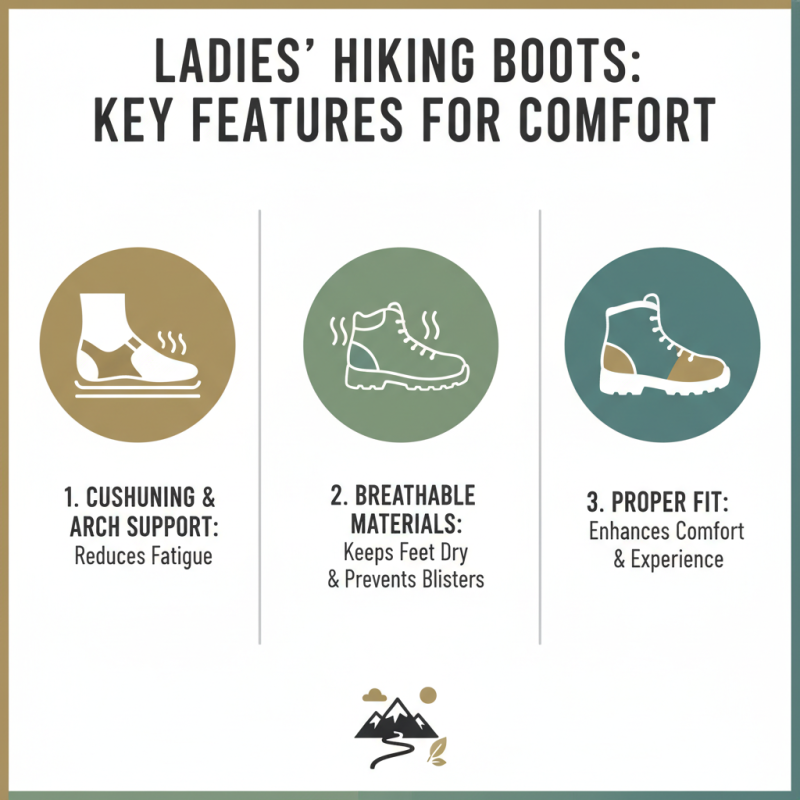
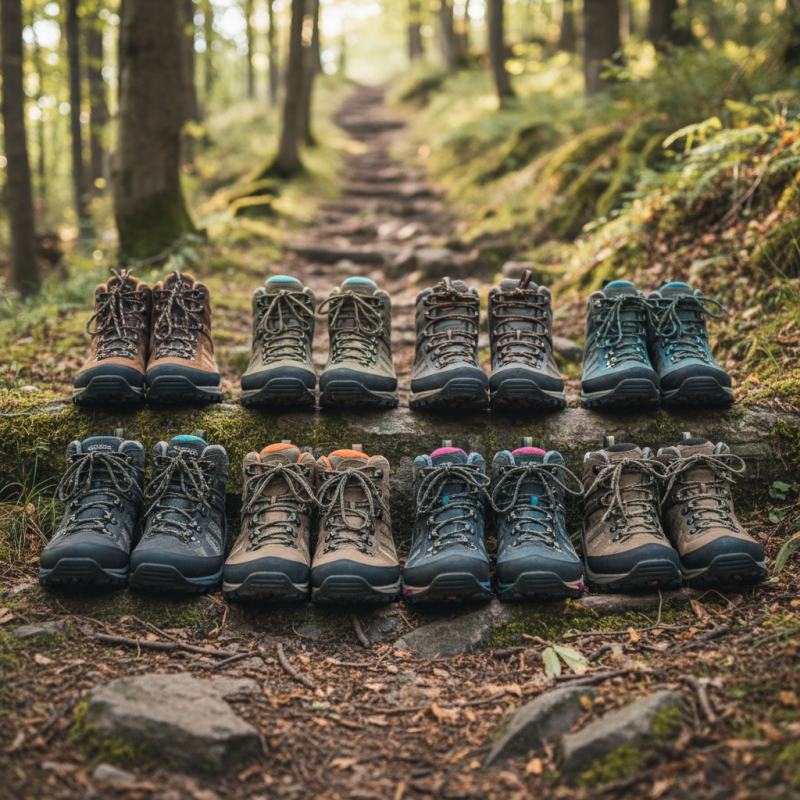
When selecting ladies hiking boots, comfort is crucial. A well-fitted boot can make or break a hiking experience. Look for cushioning and arch support. This can help reduce fatigue during long treks. A breathable material helps keep feet dry. Sweaty feet can lead to blisters, making every step uncomfortable.
Traction is another key feature. Rubber outsoles with deep lugs provide grip on slippery surfaces. Without good traction, hiking can become treacherous. Weight matters too. Lighter boots are easier to wear for long periods. However, lighter options may sacrifice durability. It's essential to weigh these factors to find the right balance.
Consider the weather conditions you hike in. Insulation might be necessary for colder climates. Waterproofing is also important if you often traverse wet terrain. Sometimes, the best boot for one trek isn’t suitable for another. It’s worth reflecting on your personal hiking style. Each hike presents unique challenges, so choose wisely.
Comparison of Material Types in Women’s Hiking Boots: Pros and Cons
When choosing women's hiking boots, material plays a crucial role. Common materials include leather, synthetic, and mesh. Each has its pros and cons. Leather boots offer durability and excellent water resistance. However, they can be heavy and require a break-in period. Industry reports indicate that leather boots can last up to 20% longer than their synthetic counterparts. Yet, this durability comes with a price: they often sacrifice breathability.
Synthetic materials, on the other hand, are popular for their lightweight and breathable qualities. They dry faster and are generally more affordable. A study shows that 70% of hikers prefer synthetic boots during warmer trails. Yet, they may compromise on long-term durability. Mesh panels improve ventilation but can lead to quicker wear and tear. Users often report that after a few seasons, these boots might show signs of fading and reduced performance.
Let's not ignore the impact of proper fit. Regardless of the material, an ill-fitting boot can lead to blisters and discomfort. A recent survey revealed that 60% of hikers experienced foot problems due to incorrect sizing. This emphasizes the importance of trying on boots and understanding each material's traits. Making the right choice can enhance comfort significantly but requires careful consideration of both fit and materials.
Industry Insight: The Impact of Boot Weight on Hiking Performance
When choosing hiking boots, weight plays a crucial role in performance. Lighter boots allow for quicker movements and less fatigue during long hikes. They can enhance agility on rocky terrains and steep inclines. Yet, there's a trade-off. Heavier boots often provide more support and protection. This is particularly important when facing rugged trails or carrying a heavy pack.
Many hikers find themselves torn between comfort and performance. A lighter boot might seem ideal, but it can lack insulation and cushioning. This can lead to blisters and foot fatigue on longer treks. On the other hand, heavier boots may feel cumbersome, especially on easy trails. Finding that sweet spot is vital. Testing different styles is essential to discover what truly works.
Understanding personal hiking styles is key. Some prefer swift day hikes, while others tackle multi-day adventures. The thought process should include how much weight is manageable. Is it worth sacrificing comfort for an extra ounce? Reflecting on these choices can make a real difference. Hikers often need to adjust their preferences through trial and error. This journey is part of what makes hiking so rewarding.
10 Best Ladies Hiking Boots for Ultimate Comfort and Performance
| Boot Model |
Weight (lbs) |
Waterproof |
Breathability |
Cushioning |
Durability Rating |
| Model A |
2.5 |
Yes |
High |
Medium |
4.8/5 |
| Model B |
3.0 |
Yes |
Medium |
High |
4.6/5 |
| Model C |
2.8 |
No |
High |
High |
4.9/5 |
| Model D |
2.9 |
Yes |
Medium |
Medium |
4.5/5 |
| Model E |
3.2 |
Yes |
Low |
High |
4.4/5 |
Sizing and Fit: How Properly Fitted Boots Enhance Comfort and Safety
When choosing ladies hiking boots, fit is essential. Ill-fitting boots can cause blisters and discomfort. A proper size ensures your feet have enough room to move. Consider the width, as some brands cater to narrower or wider feet.
Trying boots on with the socks you plan to wear is crucial. Walk around the store to test their comfort. Pay attention to pressure points. If you feel discomfort immediately, those boots are likely not the right fit. Our feet swell during hikes, so ensuring there’s extra space is wise.
Remember, a good fit enhances performance on the trails. It allows you to focus on your surroundings instead of your aching feet. Many overlook this aspect, leading to regrets on the hike. Prioritizing fit is not just about comfort; it’s about safety too. A slip or fall can occur due to distraction from ill-fitting footwear. Finding that sweet spot is key.
Top Brands in Women’s Hiking Boots and Their Market Share Analysis
The women’s hiking boot market has experienced significant evolution. Recent data shows that the global market share for women’s hiking boots reached approximately $700 million in 2022. This number is expected to grow steadily over the next few years, highlighting an increasing demand for performance-driven footwear tailored for female adventurers.
Major brands dominate the market, holding a substantial proportion of sales. Leading players account for over 60% of total revenue, emphasizing the importance of brand recognition in this sector. However, newer players are gaining traction. They focus on innovation and sustainable materials, attracting eco-conscious consumers. Despite this, the big-name brands often set the trends, and smaller brands struggle to establish a solid reputation.
Many women report challenges finding the perfect fit. Comfort is paramount, but so is performance. Market feedback indicates that around 40% of female hikers experience discomfort during long treks. This feedback is crucial, as it pushes manufacturers to rethink their designs. Addressing these issues requires collaboration between brands and consumers, but the gap remains. More emphasis on fit and adaptability could greatly enhance overall hiking experiences for women.
Market Share Analysis of Women's Hiking Boots