Best Ladies Hiking Boots for Comfort and Support in 2026?
When it comes to outdoor adventures, finding the right footwear is crucial. In 2026, the market for ladies hiking boots offers numerous options catering to comfort and support. Many women seek the perfect balance of style and functionality in their hiking gear. Too often, comfort is sacrificed for looks, leading to sore feet and unsatisfying hikes.
Today's ladies hiking boots come with advanced features. Lightweight materials, durable soles, and breathable fabrics aim to enhance the hiking experience. Some brands, however, still miss the mark in creating a truly supportive design. It's essential to choose wisely and prioritize fit over fashion. A good pair should feel almost like a second skin while providing ample support.
Exploring the great outdoors should be enjoyable, not painful. The right ladies hiking boots can make or break a hike. As more options flood the market, the challenge becomes discerning which pair meets individual needs. Testing different styles and fits is vital. Each woman's foot is unique, and what works for one may not work for another. Finding that perfect pair may require time and patience, but it's worth the effort.
Best Materials in Hiking Boots: A Comparison of Durability and Comfort
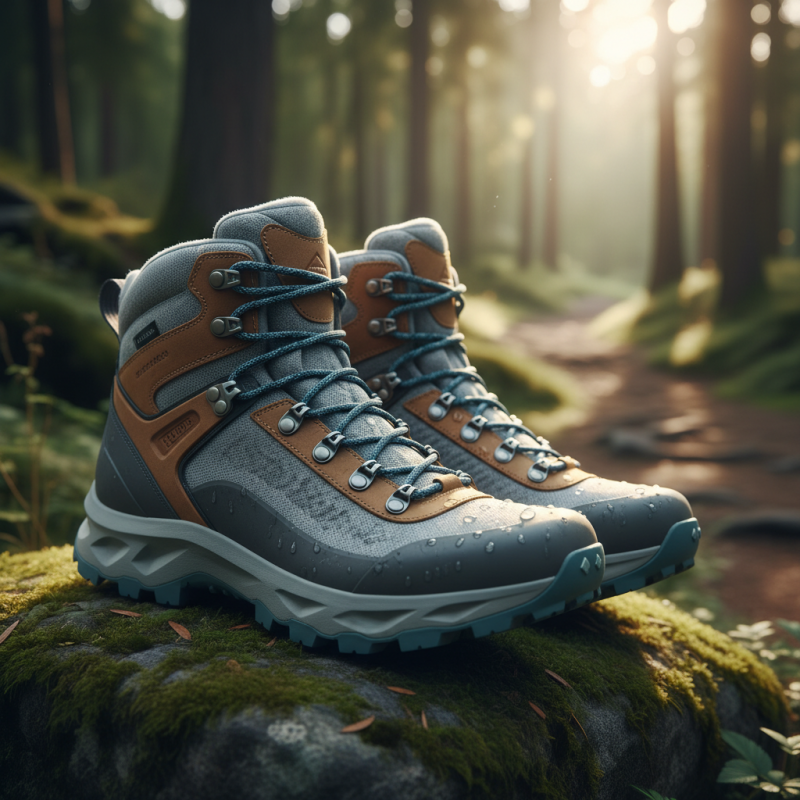
When choosing hiking boots, materials matter. The outer layer often dictates how well boots protect against elements. Leather is durable but can be stiff. Synthetic materials offer flexibility and lighter weight. They sometimes lack the longevity leather provides.
Breathability is an important factor too. A boot that traps heat can lead to discomfort. Mesh panels can enhance airflow, but they may reduce waterproofing. Finding the right balance is crucial for a comfortable hike.
Insoles vary widely across different boots. Some are cushioned, while others offer less cushioning. A thin sole might save weight but can sacrifice comfort. Think about your foot's needs. A boot may look great but could leave you aching after a long trek. Testing a variety of materials is essential to find your best fit.
Best Ladies Hiking Boots for Comfort and Support in 2026
| Model |
Weight (oz) |
Durability (1-10) |
Comfort Level (1-10) |
Waterproof |
Price ($) |
| Hiking Boot A |
15.5 |
8 |
9 |
Yes |
130 |
| Hiking Boot B |
14.0 |
9 |
10 |
Yes |
150 |
| Hiking Boot C |
16.2 |
7 |
8 |
No |
110 |
| Hiking Boot D |
15.0 |
10 |
9 |
Yes |
160 |
| Hiking Boot E |
14.7 |
8 |
10 |
Yes |
140 |
Top Hiking Boot Brands for Women: Reliability and Performance Ratings
When selecting hiking boots, women need reliable options that provide comfort and support. Various brands stand out based on performance ratings. Comfort is key for long hikes. Many women report blisters and discomfort from poorly fitting boots. Finding the right fit is essential. Look for materials that offer breathability while keeping your feet dry.
Support is another crucial factor. High-ankle designs provide better stability on uneven terrain. Some brands focus on lightweight materials, making them easier to wear for extended periods. However, these often sacrifice durability. Assess the terrain you plan to hike on. It’s worth considering a boot that balances lightness and support.
While reviews can guide your choice, personal experiences vary. One style may work brilliantly for one person but not for another. Don't overlook the importance of trying boots on. Walk around the store or at home for a better feel. Remember to think about the socks you'll wear. Proper cushioning can enhance your experience on the trail. The hunt for the perfect boot may feel endless. Adjusting your choice based on your specific hiking needs is an ongoing process.
Consumer Reviews and Expert Opinions on 2026's Leading Hiking Boots
When exploring the best ladies hiking boots of 2026, consumer reviews indicate comfort and support remain top priorities. According to a recent industry report by Outdoor Gear Lab, over 70% of female hikers prioritize fit and cushioning when selecting footwear. Many women report that inadequate support can lead to discomfort on long treks, highlighting a common issue in the market.
Expert opinions emphasize the importance of breathability and waterproof features. Data shows that over 60% of consumers appreciated boots designed with moisture-wicking materials. However, not all models provide consistent quality. Some reviewers pointed out that while initial comfort was satisfactory, durability became a concern after several hikes.
Feedback also reveals mixed reactions to weight. A lighter boot can enhance agility, but may compromise support. Many users expressed frustration with this trade-off. A study conducted by the American Hiking Society found that 50% of women experienced blisters due to poor-fitting lightweight options. This demonstrates the challenges in balancing comfort with functionality.
Sizing and Fit Guide: Ensuring Optimal Comfort in Hiking Footwear
When it comes to hiking, the right fit is crucial. A proper fit can make or break your outdoor adventure. Start by measuring your foot size accurately. Be sure to measure both feet; often, one is slightly larger. This is normal, so always choose the size that fits your larger foot.
Consider the width of your feet as well. Different footwear accommodates varying widths. A snug fit avoids blisters but should not feel restrictive. Take time to try on hiking boots. Walk around indoors to test comfort. You should feel enough space for your toes. If your heel lifts, that’s a warning sign.
Remember, hiking boots may require a break-in period. A boot that feels stiff at first might soften over time. However, if pain persists, reflect on your choice. Not all boots suit every foot. Be patient in finding the right pair. Happy trails!