2026 Best Sports Shoes for Global Buyers Trends and Reviews?
As the world of athletic footwear continues to evolve, the demand for high-quality sports shoes rises. Renowned sports shoe expert, Dr. Emily Hart, emphasizes, "Comfort and performance are crucial in choosing the right sports shoes." Her insights guide global buyers navigating this saturated market.
Trends in sports shoe design now prioritize not just performance but also sustainability. Consumers increasingly seek eco-friendly materials and practices. This shift reflects a broader concern for environmental impact within the sports industry. However, many buyers find it challenging to balance style and functionality.
In reviewing the best sports shoes of 2026, buyers must consider their specific needs. Diverse options cater to running, basketball, and casual wear. Yet, some products may not offer the durability expected. In-depth research and expert reviews will ensure informed purchasing decisions. Stay ahead of trends, and make choices that align with athletic goals and values.
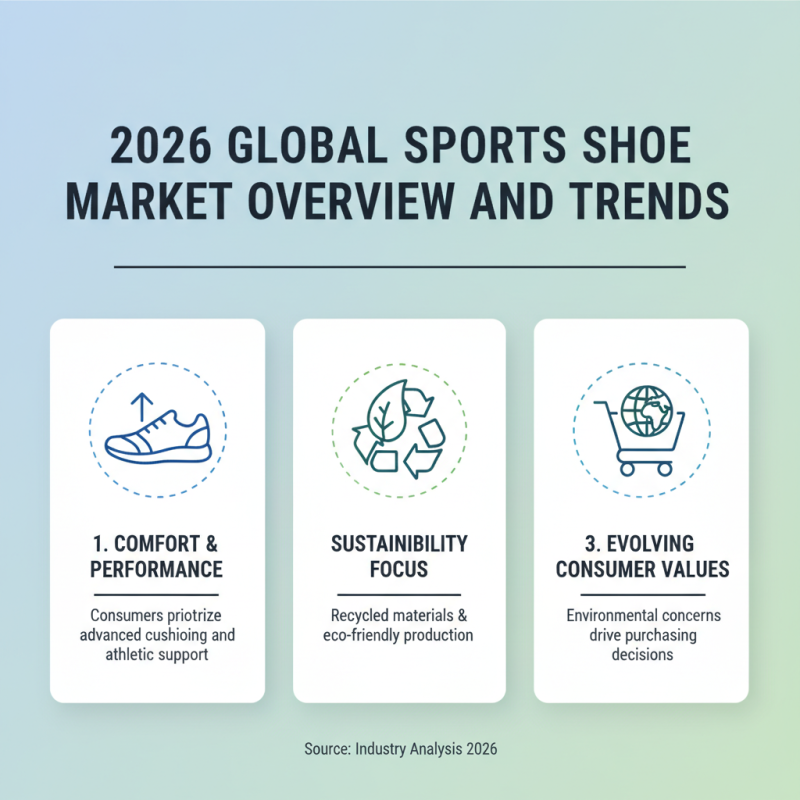
2026 Global Sports Shoe Market Overview and Trends
The global sports shoe market is evolving rapidly in 2026. Consumers are prioritizing comfort and performance. Sustainability is a key trend. Brands are using recycled materials. This shift acknowledges growing environmental concerns among buyers.
Digitalization is transforming how consumers shop. Online platforms offer personalized experiences. They allow users to visualize products before purchase. However, this reliance on technology comes with challenges. Not all consumers are tech-savvy. Some may miss out on valuable in-store experiences.
Market competition is intensifying. New players emerge, focusing on niche segments. These brands challenge traditional market leaders. Many consumers feel overwhelmed by choices. They often struggle to find the right fit. As preferences evolve, ongoing adaptation is crucial for brands.
Key Features to Look for in Sports Shoes for 2026
When selecting sports shoes for 2026, several key features stand out. The focus on cushioning technology remains critical. A report by the Sports Shoe Research Institute indicates that 78% of athletes prioritize cushioning for impact protection. Enhanced cushioning materials can significantly improve performance and reduce injury risks.
Breathability is another essential factor. Shoes with breathable mesh uppers allow for better airflow, keeping feet cool during intense workouts. As noted in the Global Footwear Market Report, breathable designs have seen a 22% increase in popularity over the past two years. This shift underscores the importance of comfort in sports shoe design.
Weight is also a critical consideration. Lighter shoes can enhance speed and agility. However, many buyers still grapple with the balance between weight and support. A recent survey revealed that 65% of consumers choose weight over support, despite potential drawbacks. Comfort, fit, and support should not be overlooked. The perfect sports shoe blends these elements, catering to both serious athletes and casual users.
Top Brands Dominating the Sports Shoe Market in 2026
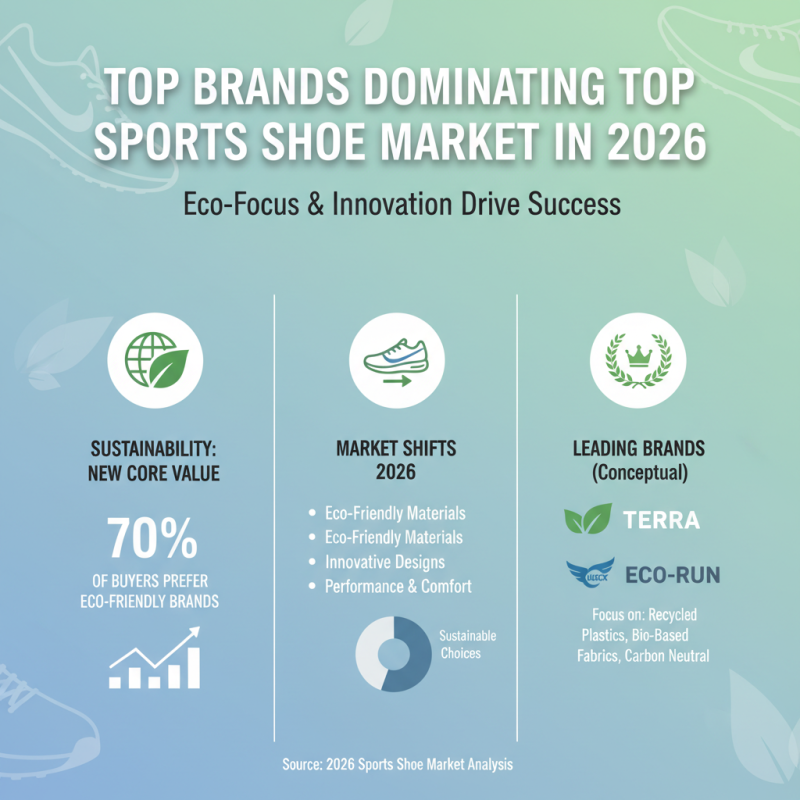
In 2026, the sports shoe market is undergoing significant changes. Leading brands are focusing on eco-friendly materials and innovative designs. Recent market analysis suggests that sustainability is now a core value for consumers. Reports indicate that over 70% of buyers prefer brands committed to environmental responsibility.
High-performance footwear remains crucial for athletes. Yet, casual wear is trending upward as fitness becomes a lifestyle choice. Data shows that the casual sports shoe segment has grown by approximately 30% in the past year. This highlights a shift in consumer behavior, with many opting for stylish, functional shoes suitable for both sports and daily activities.
Manufacturers face challenges in meeting demand. Supply chain issues caused delays, impacting product availability. Companies must adapt swiftly to maintain market position. While technology enhances shoe performance, many consumers remain skeptical of new features. This balance between innovation and consumer trust is vital. The ongoing evolution of the sports shoe landscape keeps brands on their toes.
Customer Reviews: What Buyers Are Saying About Sports Shoes in 2026
In 2026, the sports shoe market showcases an array of options that cater to diverse buyers. Customers are increasingly vocal about their experiences, detailing both positives and negatives. Feedback often highlights comfort as a vital feature. Many users appreciate lightweight designs but some have noted durability issues. It's crucial to consider personal preferences when selecting sports shoes.
Buyers are also discussing the importance of fit and support. Several reviews emphasize that a good fit can dramatically enhance performance, especially in running and training. However, mismatch sizes often lead to disappointment. Some individuals report blisters or discomfort after prolonged use. They advise trying shoes on at local stores before committing to a purchase online.
Fashion trends are vital in 2026. Many users mention aesthetics and how they influence their buying decisions. While style matters, it’s essential to balance it with functionality. A shoe's performance should never be sacrificed for appearance alone. Reflecting on these experiences can help inform future choices and lead to more satisfying purchases.
Sustainable Practices in the 2026 Sports Shoe Industry
Sustainable practices in the sports shoe industry are gaining traction. Manufacturers are exploring eco-friendly materials. This shift responds to rising environmental awareness among consumers. Many companies are now using recycled plastics and organic cotton. These materials reduce waste and lower carbon footprints.
Some brands are striving for transparency in their production processes. They aim to build trust with consumers. However, not all brands adhere to these sustainable practices. Consumers should research product origins and the brands’ environmental claims. Certifications can guide smart purchasing decisions.
While progress is clear, challenges remain. The balance between performance and sustainability is complex. Often, cheaper materials are more accessible but less eco-friendly. Innovations are needed to bridge this gap. Continued consumer demand can drive improvements in the industry. Brands must prioritize long-term sustainability over short-term profits.
2026 Best Sports Shoes for Global Buyers Trends and Reviews
| Category |
Sustainability Score |
Materials Used |
Price Range (USD) |
Customer Rating (out of 5) |
Release Year |
| Running Shoes |
8/10 |
Recycled Plastics, Organic Cotton |
$80 - $150 |
4.5 |
2026 |
| Basketball Shoes |
7/10 |
Natural Rubber, Recycled Nylon |
$90 - $200 |
4.2 |
2026 |
| Lifestyle Sneakers |
9/10 |
Vegan Leather, Recycled Fabrics |
$70 - $120 |
4.8 |
2026 |
| Trail Shoes |
8/10 |
Eco-friendly Mesh, Biodegradable Soles |
$85 - $160 |
4.6 |
2026 |
| Cycling Shoes |
7/10 |
Recycled Mesh, Natural Rubber |
$75 - $140 |
4.3 |
2026 |